Incline Our Hearts
Faithful Discernment in Changing Times
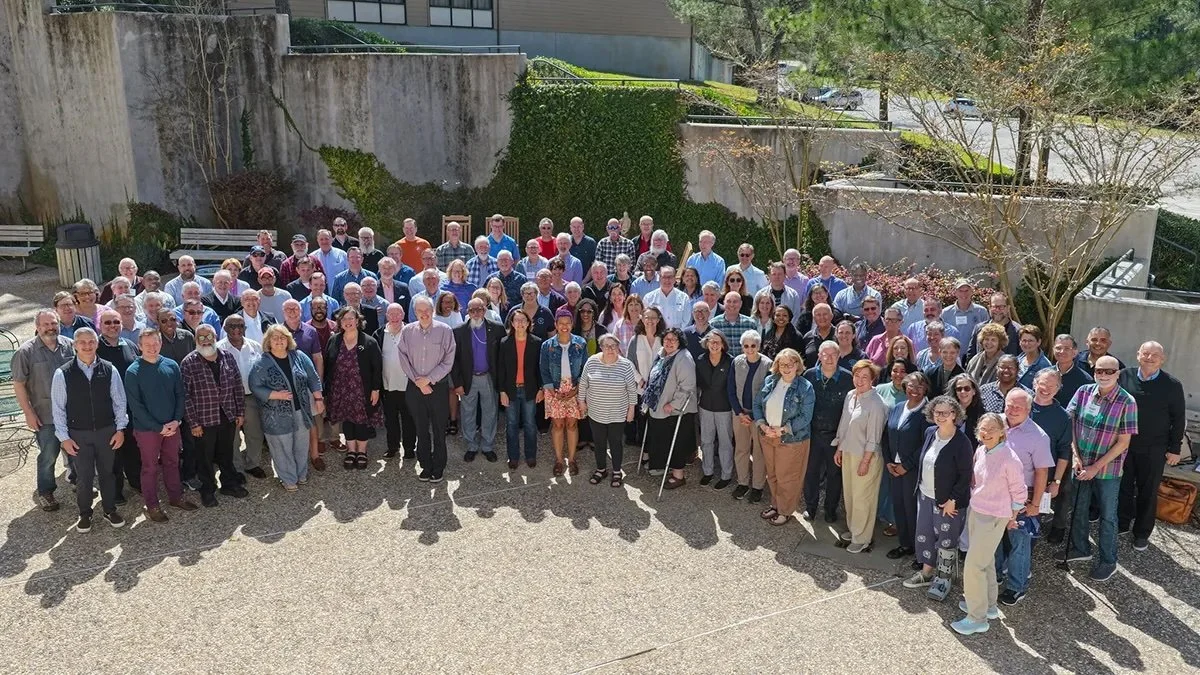
I've just returned (after some airport adventures in Houston due to TSA issues amid the DHS shutdown) from the Spring House of Bishops meeting at Camp Allen in Texas. The bishops of the 106 Episcopal dioceses in 22 countries and territories typically gather twice a year for about a week for worship, fellowship, and meetings on a variety of topics. This particular meeting, the focus was on theological education, and included for the first half of the week 12 deans and other educational leaders from most of our seminaries and theological formation programs across the Church. The landscape of theological education is changing, with more people being trained locally for ordination (as at our Iona program), more people coming from other denominations, and more varied ways of offering formation for lay and ordained ministry. When I was in seminary in the late 1990’s, some 70% of those training for ordination did so at residential seminaries. Today, the situation has flipped, with some 70% training locally or in dispersed (non-residential or hybrid) programs.
The bishops also had presentations and discussions on a range of other topics, such as AI, possible communion with the United Methodists, the Anglican Communion, military chaplains, reports from the Presiding Bishop, mission strategy, our national and political environment, and more. Many of the topics fell into the broad category of how to respond faithfully in changing times. This got me thinking about discernment, how we seek God's will (instead of just our own) through the Holy Spirit. Many books have been written on discernment, but any list of Christian practices for discernment has to include: prayer, measuring against Holy Scripture, considering the teaching of the Church, taking counsel patiently in community, and judging outcomes by their fruits (and especially the Fruits of the Spirit in Galatians 5). If I'm honest, I much prefer my ministry on the ground in Oklahoma to anything outside the diocese, including Bishops' meetings. But I also recognize that faithful discernment cannot be done alone, but requires a community in which the practices of discernment take place. At our best, the bishops are such a community, but each of us, as Christians, needs such a group. To whom do you go when you need to discern something important?
Lastly and most importantly, as we enter into the holiest week of the Christian calendar, may we remember to keep our savior, Jesus Christ, always at the center of who we are, what we believe, and how we seek God's will in our lives.
A pastoral word to the Episcopal Church from the March 2026 gathering of the House of Bishops can be found here: https://www.episcopalchurch.org/publicaffairs/a-pastoral-word-to-the-episcopal-church-from-the-march-2026-gathering-of-the-house-of-bishops/
Blessings,
Bishop Poulson