Incline Our Hearts
On Bishop Elections and the Holy Spirit
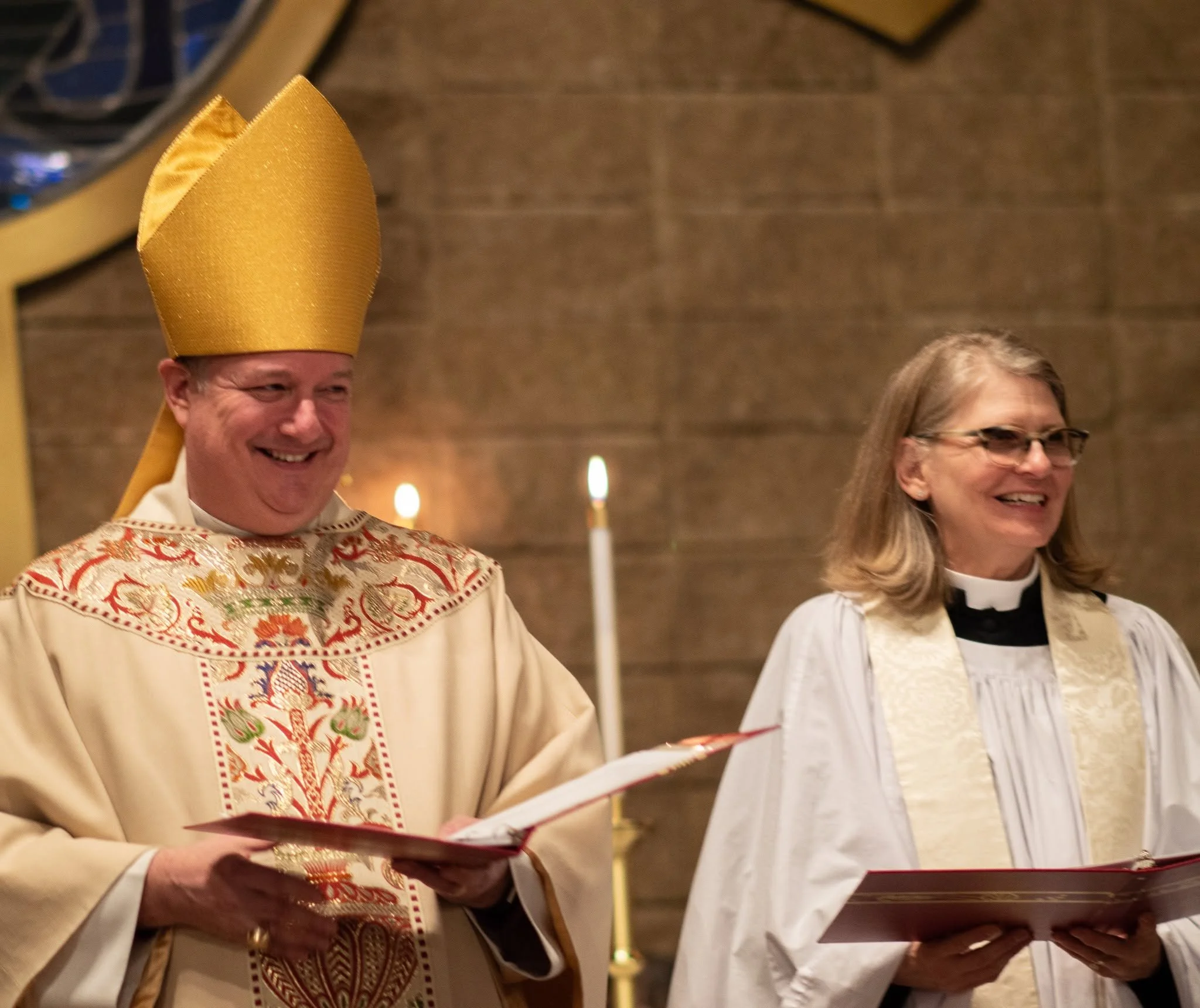
With this week's news about Canon Betsy's nomination to the Bishop slate in Northwest Texas, I thought it might be helpful to reflect a bit on how we elect bishops in the Episcopal Church.
Typically, when there is a vacancy, a diocese gathers information on what bishop characteristics and gifts are needed in the current life of the diocese, prepares a profile to share that information and gather applications, then has a confidential period of reading applications, then zoom interviews, followed by a semi-finalist retreat. Once a final slate of nominees is identified, they are announced publicly, followed by a scheduled visit of the finalists to the diocese for open question and answer sessions. And then, there is an election, which requires a majority of the clergy and lay delegates (drawn from each congregation) for one nominee, on the same ballot. After a person is elected, they must have the approval of a majority of bishops and Standing Committees in the whole Episcopal Church in order to be consecrated.
This is a long, deliberate, and characteristically "Episcopalian" way of doing things, involving lay people, priests, deacons, and bishops at both the diocesan and wider Church levels (not every Anglican province has such a "democratic" process, including the Church of England). We have a governance structure and canons that are extraordinarily dispersed in their authority (our General Convention, every three years, is one of the largest governance gatherings in the world). And yet, even in our system, bishops maintain a critical role ("Episcopal" means "bishop").
What our Episcopal tradition believes is that the will of the Holy Spirit is more likely to be known when decisions are not limited to a small group only, but incorporate all the baptized. But good discernment does not come automatically with a larger number of people (as we know from our secular elections). Wise discernment in the Church depends on Biblical principles, such as prayer, listening, thoughtful deliberation in groups, patience, applying the Scriptures, and even sometimes fasting. Deep, spiritual discernment and not mere political maneuvering or narrow partisanship or popularity make it more likely (though not guaranteed) that the decision will be the right one.
And lastly, it is good to remember that the ways of God are mysterious. God's will is known by something's fruits, which often takes a long time. When it comes to bishops and how God will use them, we pray not just that we will choose those who are worthy (for none is worthy apart from Christ), but that God will make worthy those who are chosen. The most faithful and effective bishops (and any clergy for that matter) tend to be the most humble, the most prayerful, the most loving of their flock, and the most aware of their constant dependence on God's grace.
Blessings,
Bishop Poulson