Newly Ordained Feature: The Rev. Kelsey Carter
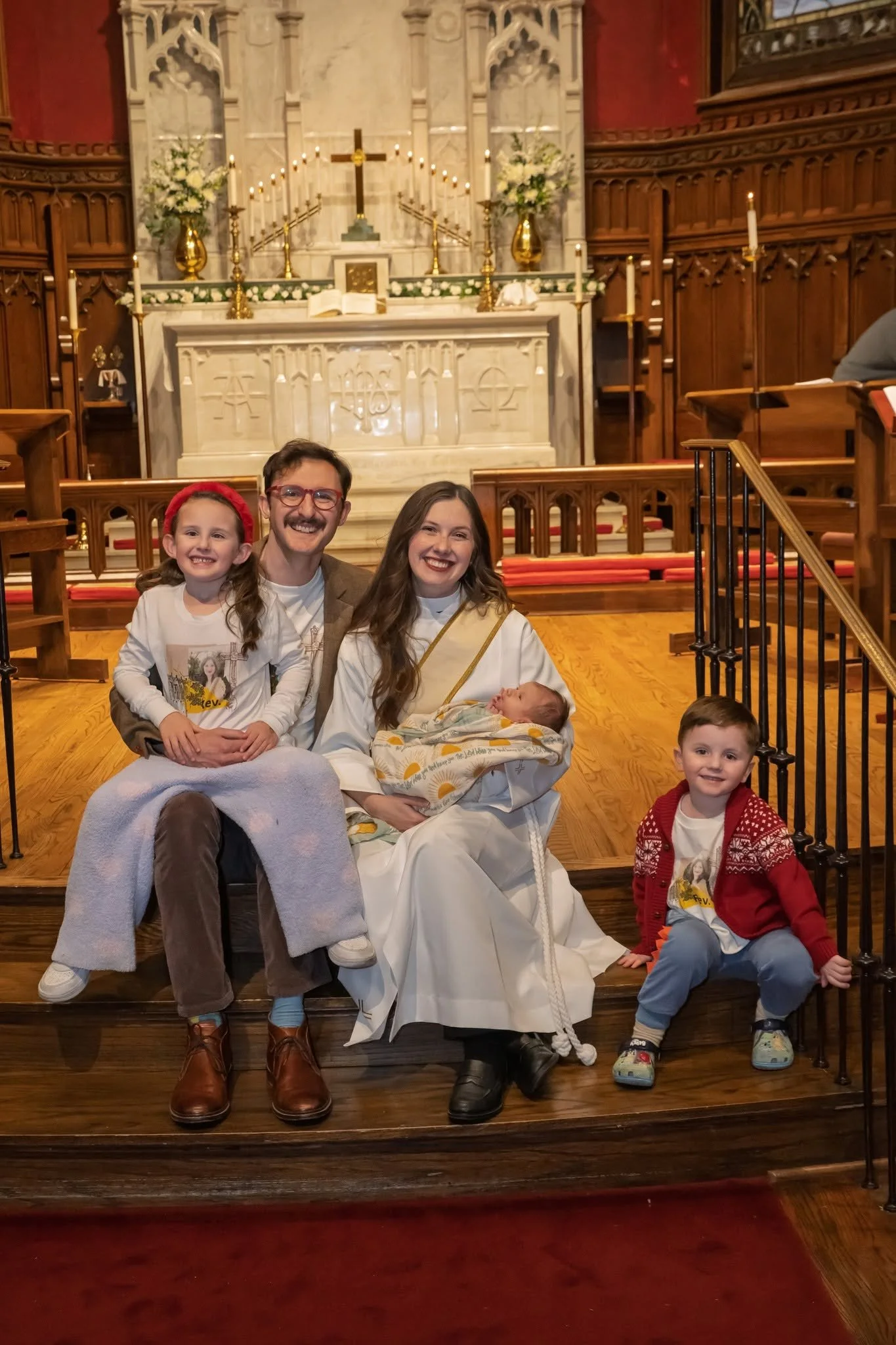
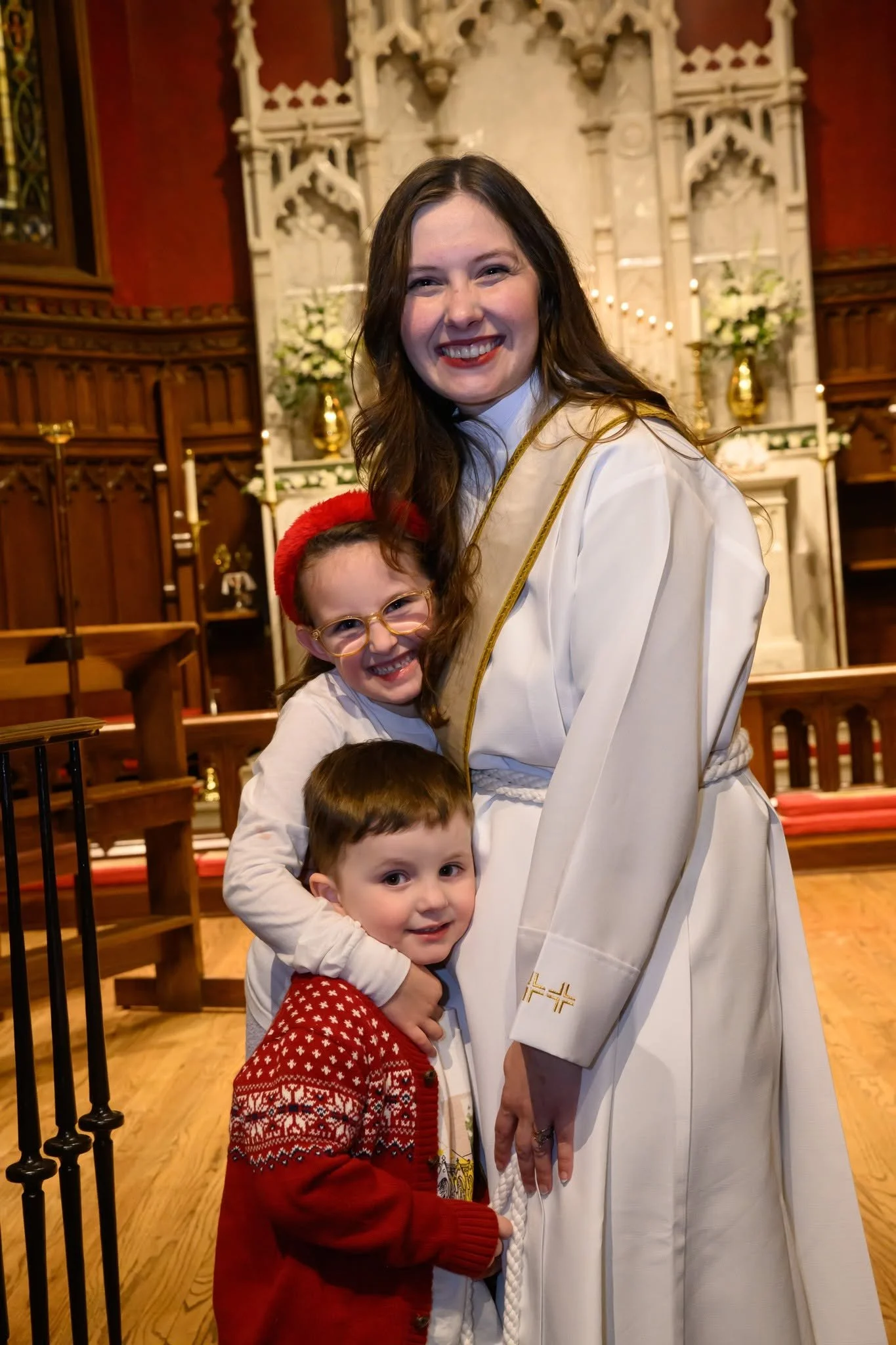
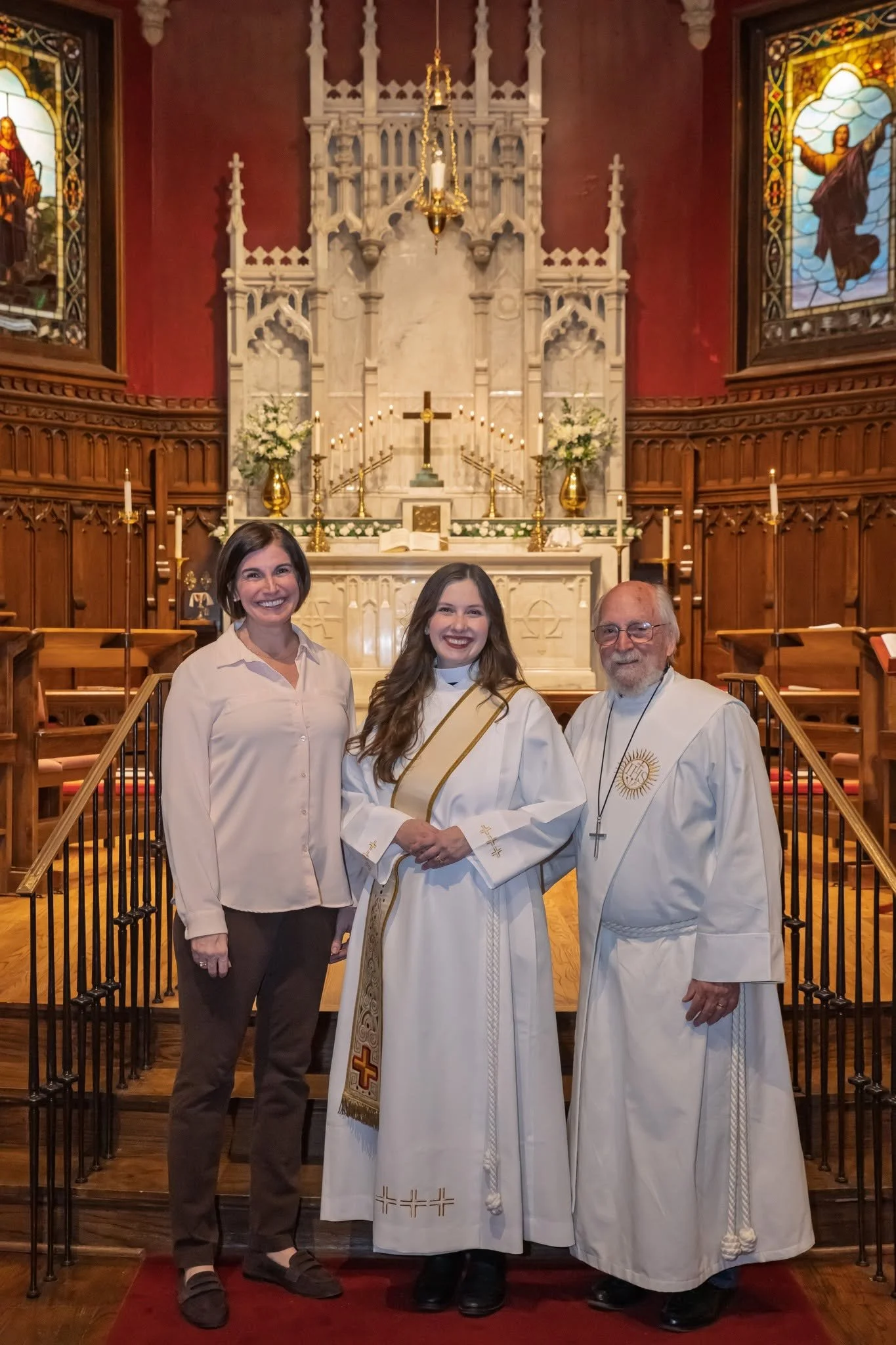
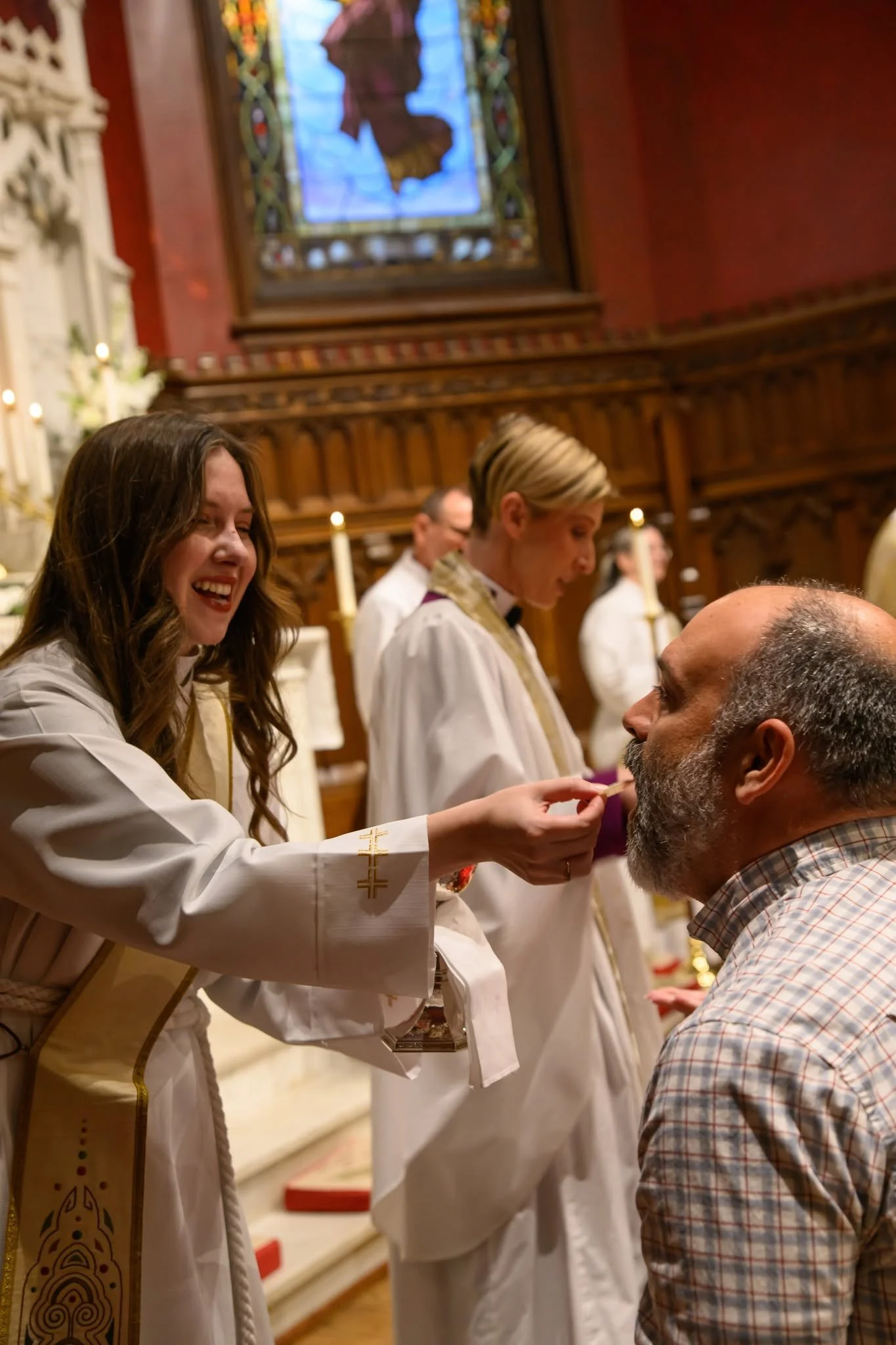
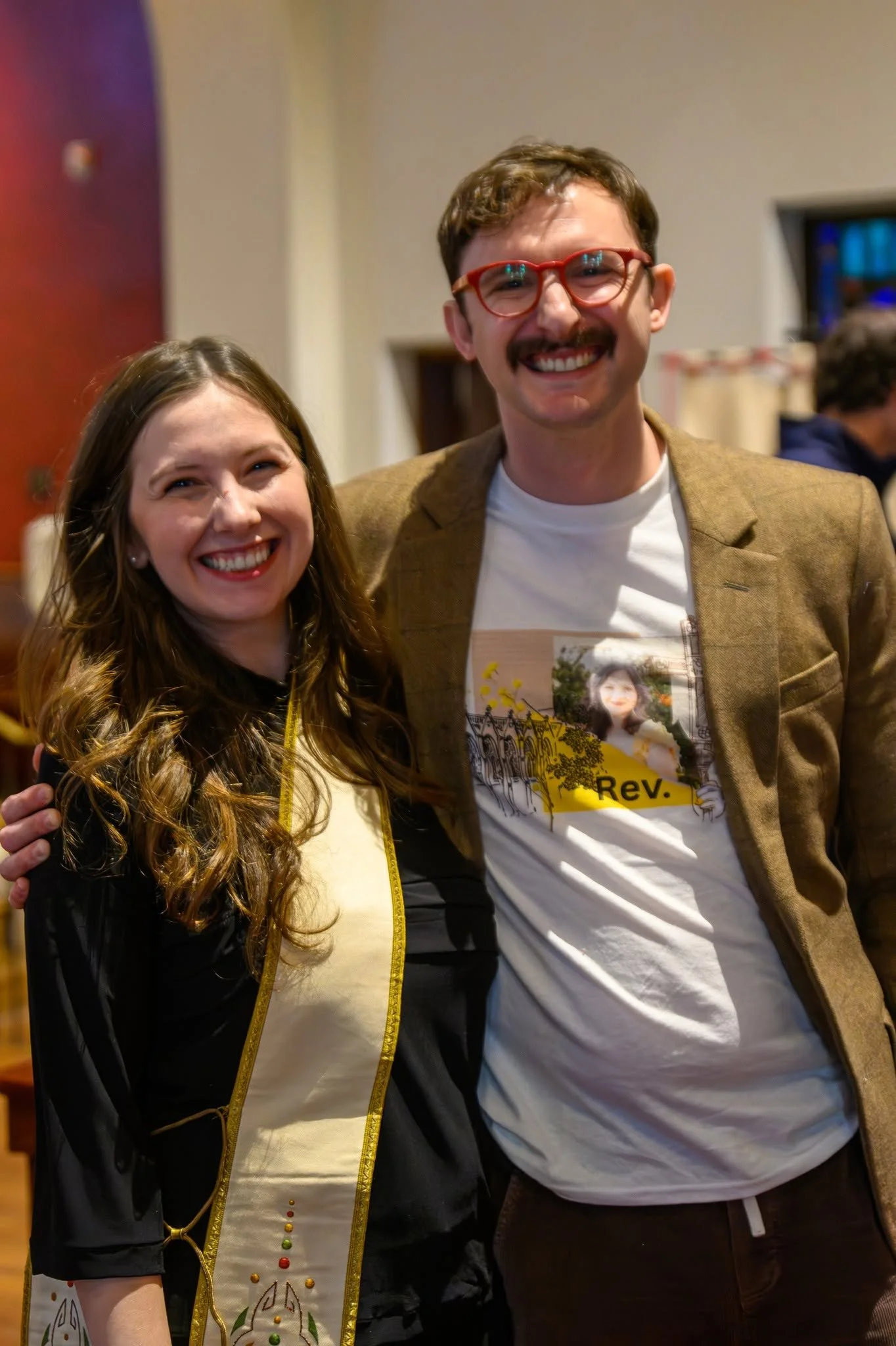
The Rev. Kelsey Carter was ordained to the transitional diaconate in January at St. Paul’s Cathedral. She currently serves as a deacon at Christ Church in Tulsa and will be ordained to the priesthood in August. We asked Kelsey to reflect on her journey to ordination, what she has learned since becoming a deacon, and what lies ahead in her ministry.
Meet Kelsey:
I was born in Oregon but graduated from Broken Arrow High School and love calling Oklahoma home. I’m a mom of three and have been married to my husband, Isaac, for 9 years. I accept a cup of coffee anytime it’s offered, love walking around the block with my family after dinner, will eat any baked good, and enjoy quilting and watching British crime dramas in my free time.
Path to Ordination:
My family was a key part of my spiritual formation; it’s because of my parents that I never questioned that God loved me. That fact became a key part of my identity, and I seek to instill that same assurance—that every human being is deeply loved by God—in my preaching, teaching, and living.
I first felt a call to ministry while in elementary school. We had a missionary conference at my church, and when I saw folks who gave their whole lives in service to God and the church, I thought, “I think I’m meant to do something like that too.” When I was in middle school, a seminary professor visited my youth group. After his talk, he invited anyone who was exploring a call to come talk to him. I went, and a male friend went as well. The professor first spoke to me, before focusing on my friend, saying that my call was misinterpreted and that I likely had a call to be a preacher’s wife. (I think my husband, Isaac, is relieved that this professor did not have the gift of prophecy.) I continued to be active in my youth group and church, but began to explore how I might help people in other ways. I went to Wheaton College and studied environmental science and geology, thinking that I’d work in water quality and source wells to give people increased access to clean drinking water.
But my path circled back to ministry the spring semester of my senior year when I took an elective called Women and the World of the New Testament with Dr. Lynn Cohick. As I learned more about the geographic, social, and historical context of scripture, my eyes were opened to the Bible in a way they hadn’t been before. If there was room for women at the feet of Jesus as he taught, room to proclaim his resurrection, to carry Paul’s letters and convey what they said, to teach, and to lead all in the first century, how much more room is there for women today. I heard that still small voice again. I went to seminary at Duke Divinity School, thinking that I would go on to teach so that I could give other students the skills to come before scripture and have it opened for them as it was for me. But God had other plans. My call was not only to bring folks to the Word, but to step into the room that Jesus carved out for me and to fill that space alongside my sisters. To proclaim, teach, lead, and profess that there is room at Jesus’ feet and there is room at Jesus’ table for each of us who seek him.
I was raised as a third-generation Southern Baptist and have a lot of gratitude for the ways in which the Baptist church shaped my love of scripture. And yet, while I could throw down at a Sword Drill, I had a gap in my theological education surrounding church history. I knew little of the saints or the traditions of the church. Freshman year of college, I wandered into a 9 am Eucharist service at an Anglican church and never looked back. I saw women serving visibly as both ordained and lay leaders. I was taken by the physicality of worship and the communal nature of the prayers. In one voice, we would profess our faith in the Nicene Creed, pray for our community, confess our sins, and come to the table shoulder to shoulder to receive the Eucharist. And so, my college-age rebellion looked like getting really into liturgy. I began to study church history and the lives of the saints. It was like I could see my faith in colors I had never seen before. It was like finding family that I didn’t know I had. I realized that my faith had roots beyond those of my immediate family, roots that extended across centuries. It was there that I found that my relationship with God wasn’t solely on my shoulders, but was shared with the community of faith.
Lessons Since Ordination:
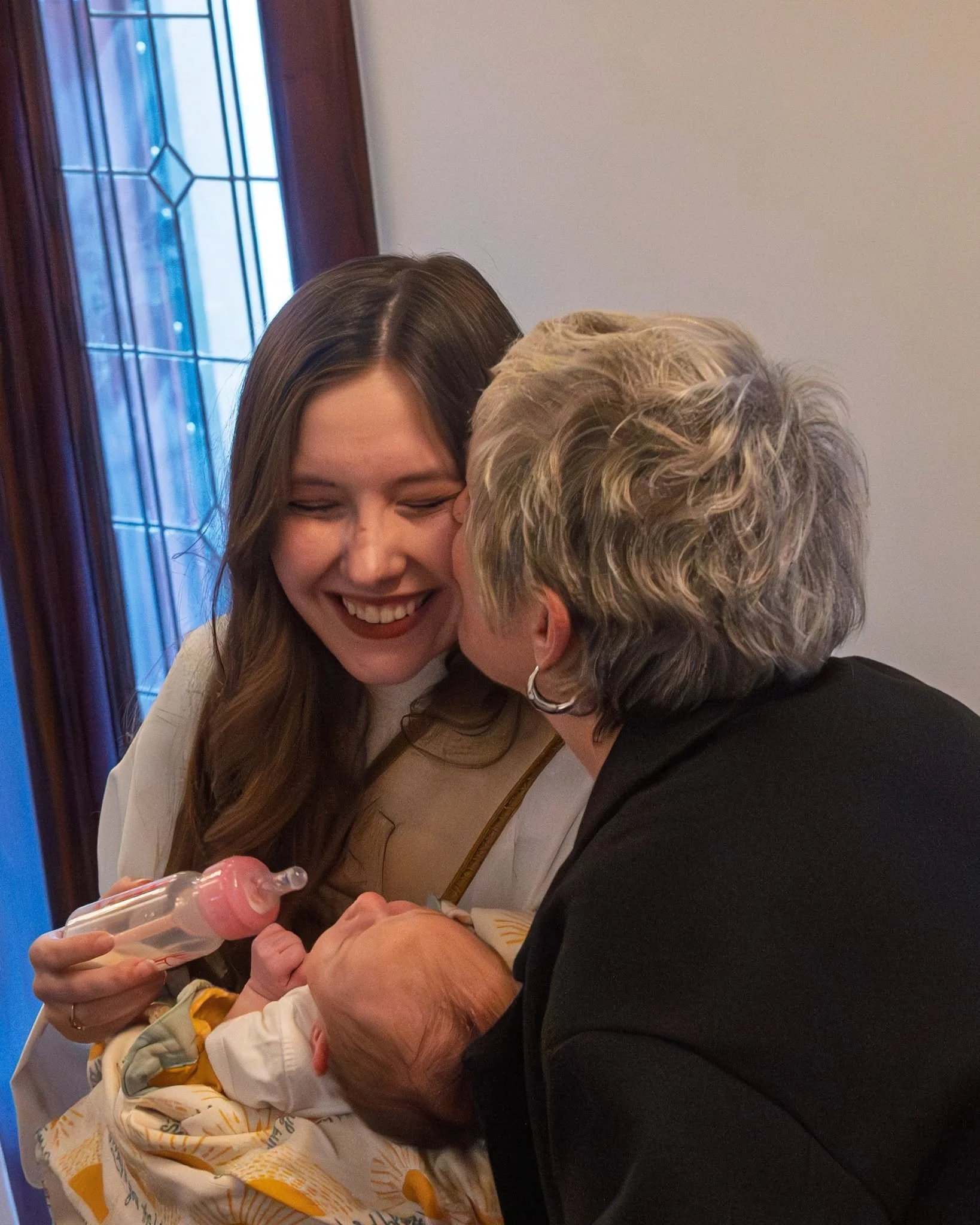
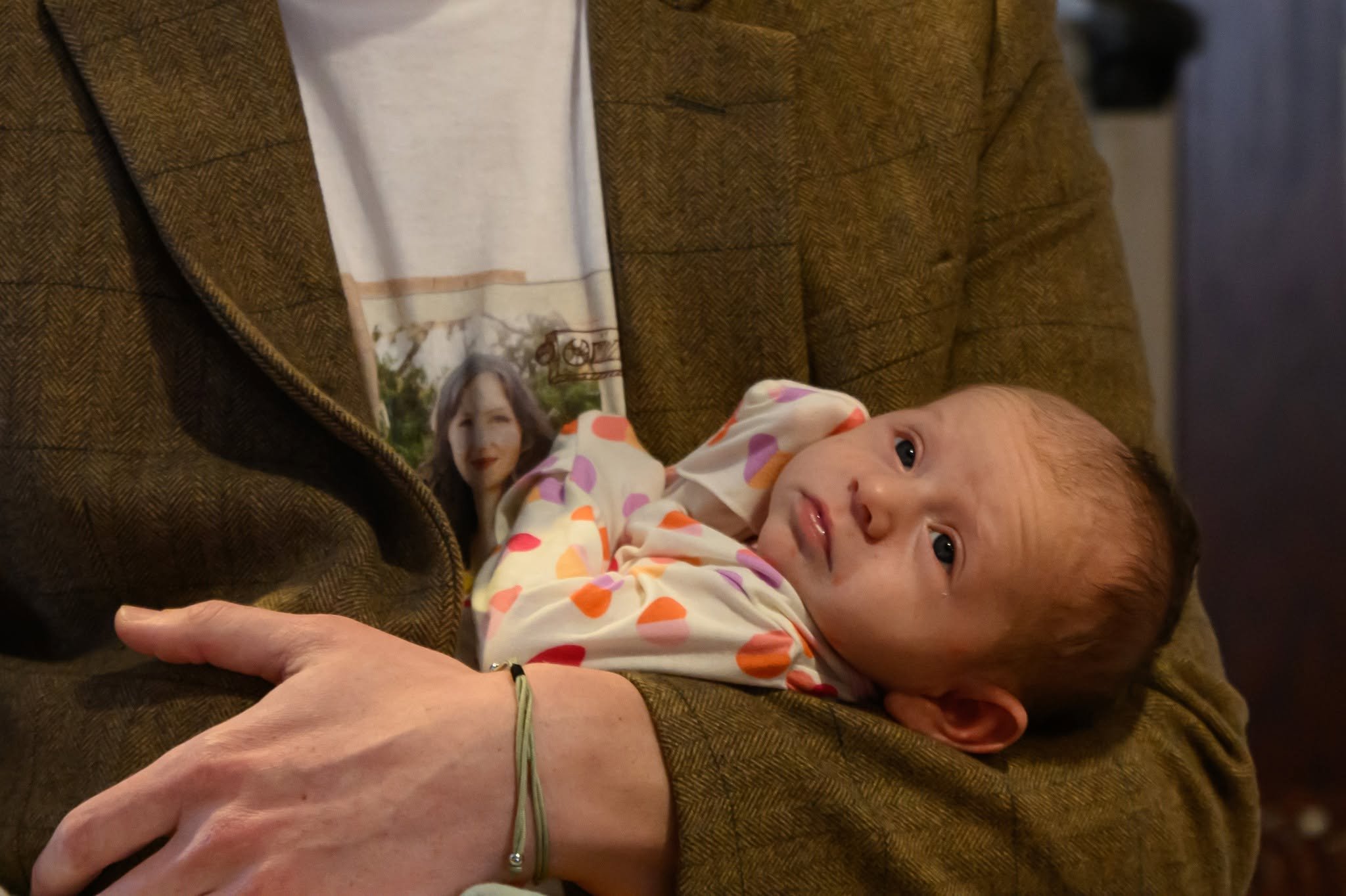
I’ve learned that Anglican-style albs are actually quite conducive to nursing babies. Integrating parenthood at the onset of my ministry as a clergy person has been joyful, hard, and healing. I was ordained three weeks after giving birth to my third child, Marigold. She accompanies me to the office and hospital visits, she’s tagged along as I taught sewing classes to refugee women and volunteered at Iron Gate, and she’s cried and slept through more than her fair share of services and meetings. A highlight from these first months was preparing the table for Holy Eucharist one Sunday while wearing her in her carrier because both she and the Church simultaneously needed to be fed.
I’ve been thinking about the day when my children wonder who I’m prioritizing when I have to miss gymnastics for a vestry meeting, or rain check movie night for a pastoral visit. My hope is that they’ll know it’s them. Sometimes it’s them because their cart wheels are worth celebrating, and there’s nowhere else I’d be, and sometimes it’s them because they are the Church, and when I serve and invest in building up the body of Christ, they are included in that number, and my work there is for them as well. My prayer is that I’ll instill the same foundation that my parents gave me, that they are so very loved – by me and especially by God. I pray they boldly step into whatever calling God has placed before them, and I pray that they know there is room for them, that from birth, there has been room for them at the table.
What’s Next:
After my ordination to the priesthood in August, I look forward to continuing my curacy at a parish within the diocese and growing into my calling as a Mother both at home and in the church.